
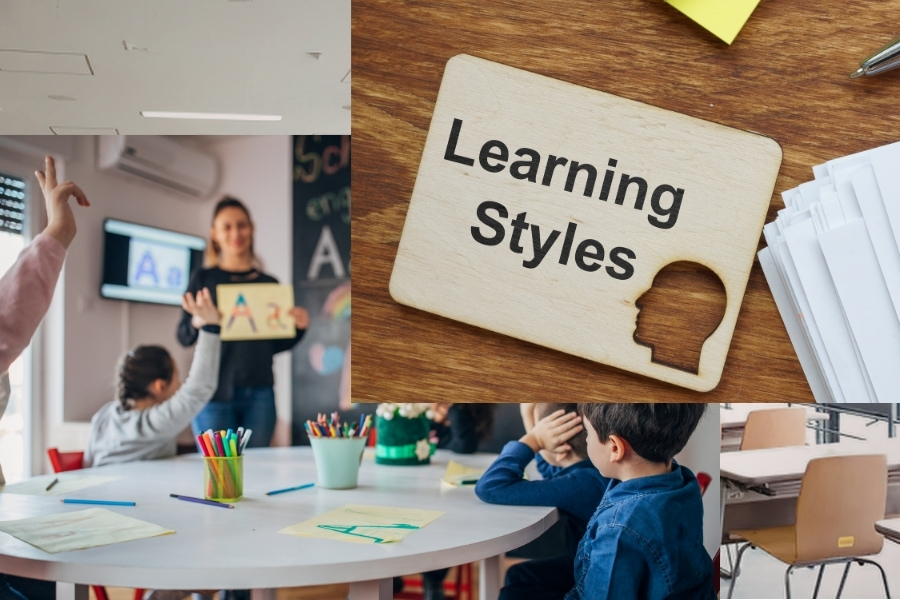
Does Learning Style Affect Students’ Academic Performance?
Christy Natalia
Have you ever understood something better through a picture than a long explanation? Or do you grasp ideas more quickly by listening? These experiences relate to learning style; the way we take in and process information.
In the world of education, we often hear the terms visual, auditory, or kinesthetic. Many believe that if a student learns in a way that matches their “learning style,” their grades will automatically skyrocket. But is learning style really the primary determinant of academic achievement, or are we perhaps so fixated on labels that we have forgotten the essence of learning itself?
Generally, learning styles are often categorised into three types: visual, auditory, and kinaesthetic. Some students find it easier to understand material through images, videos, or colours (visual). Others are more comfortable learning by listening to explanations or engaging in discussions (auditory). Meanwhile, some only truly grasp concepts when they’re directly involved in activities or hands-on practice (kinaesthetic). These differences are natural and actually highlight that every student is unique.
So, does learning style really affect how well students do in school? It can help, but not always. When students learn in a way they like, it often feels easier and more enjoyable, which can help them understand better. Still, academic success depends on many things, like motivation, support from others, teaching methods, and daily study habits. In the end, being flexible with learning strategies matters more than sticking to just one style. But focusing too much on just one learning style is not the best answer.
Learning does not always match our preferences. That’s why it’s important for students to try different ways of learning. Successful students often use a mix of styles. For example, someone who likes reading could try joining discussions, while someone who prefers hands-on practice might work on understanding material through explanations.
Students who are curious about learning usually do not stick to just one method. They try new things, ask questions, and relate lessons to their own lives. In these cases, good grades come from truly understanding the material, not just from using a certain learning style.
Learning styles are just a starting point, not a limit. We should see them as a way to begin finding what works best, not as strict labels. By staying flexible and open to new methods, learning can become more effective and meaningful.