
Pursuing Grades or Pursuing Meaning? Eliminating the Stigma of Failure in Schools
Christy Natalia
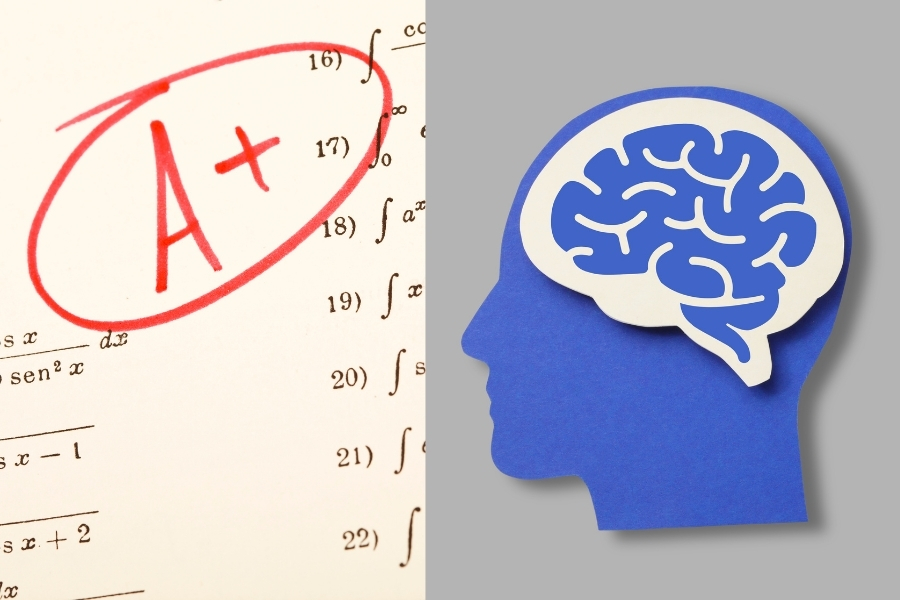
For years, our education system has focused on numbers and grades. When report cards come out, you can feel the tension in classrooms and at home. High scores are praised, while low marks often bring disappointment or even shame. But as the world changes, we should ask ourselves: Is school about collecting grades, or about real learning?
Many students start to believe their value depends on their test scores. The pressure to be perfect takes the joy out of learning. Instead of being curious or wanting to really understand something, students worry about what will happen if they get a bad grade. Because of this, they often forget what they learned soon after the test.
Of course, tests and other ways to measure learning are important. But when grades are all that matter, students often end up just memorizing facts for the test. They might stay up late learning formulas, write them down during the exam, and then forget them soon after.
Real learning happens when students can connect what they learn to real life. They truly understand something when they work through a tough math problem, try different ways to solve it, and finally figure out the logic behind it instead of just memorizing a formula.
Psychologist Carol Dweck’s Growth Mindset shows us that intelligence can grow and change. If a student gets a math problem wrong, it doesn’t mean they aren’t smart. It just means they might need to try a different way of learning.
This is why failure is so important. In real life, failure helps people learn and come up with new ideas. But in schools, it is often seen as a sign that someone is not capable. Our focus on grades comes from a mistaken belief that failure means weakness. In fact, history shows that failure is one of the best ways to learn.
To change this way of thinking, teachers and parents need to work together in a meaningful way:
- Value Effort, Not Just Results: Recognize students for their hard work and the ways they try to solve problems, not just for their final grades.
- Normalize Mistakes: Classrooms should be safe places to make mistakes. Errors show that students are pushing themselves to learn new things.
- Focus on Soft Skills: Things like emotional intelligence, resilience, and critical thinking can’t always be measured with a number, but they are some of the most important skills for the future.
Education is not a sprint for perfect scores; it is a marathon of self-discovery. My main argument is that we should look past numerical measures and truly value each student. Education isn’t about racing to get perfect scores. It’s a long journey of self-discovery. We should look beyond grades and focus on each student’s personal growth. Students who find meaning in what they learn will be better prepared for life than those who only care about numbers.